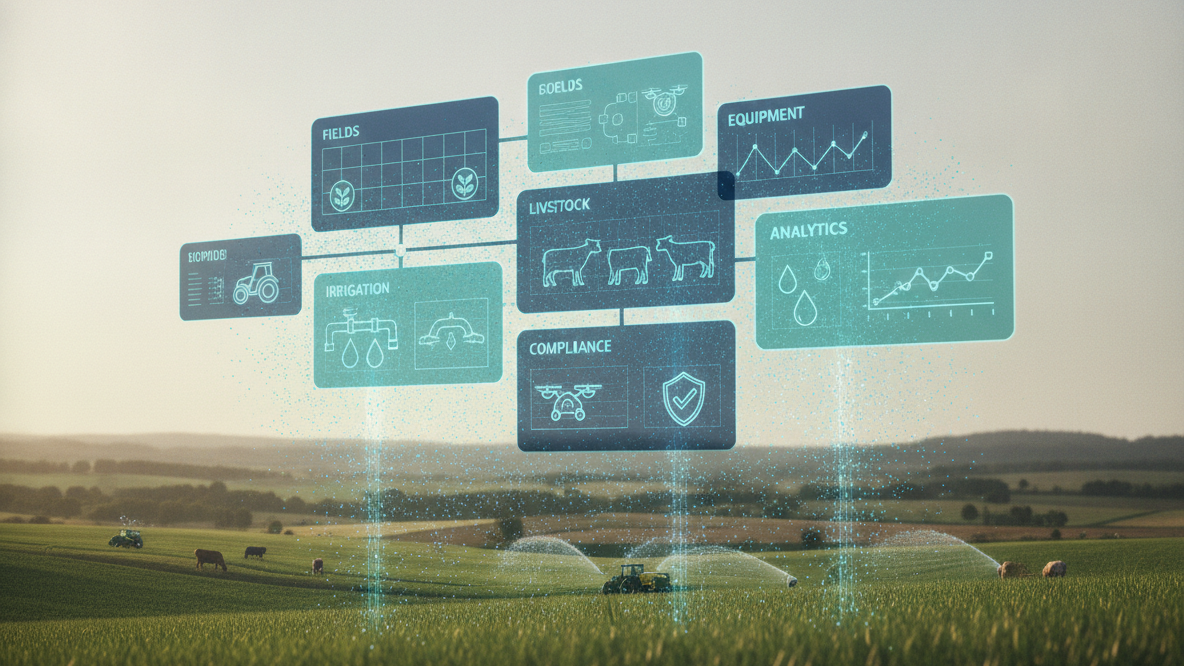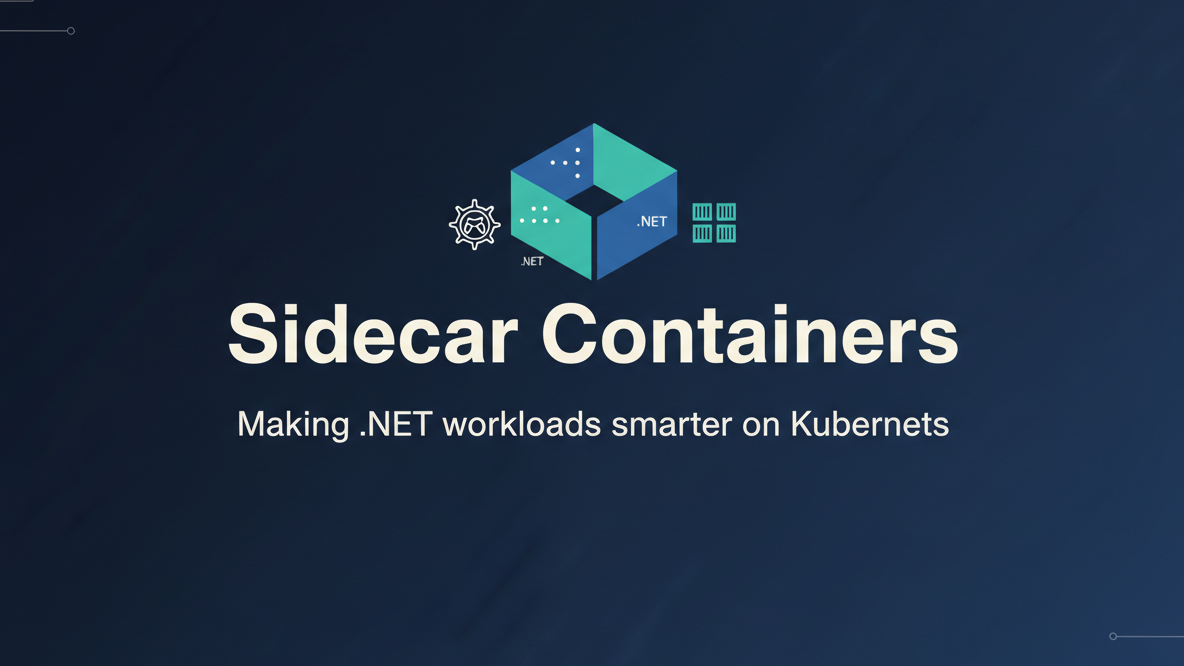


Big Data doesn’t create enterprise value merely because it is large. Value shows up when data is embedded into the workflows where decisions, customer interactions, risk controls, and operational actions actually happen. That’s where a full-stack custom software product built on C# and .NET becomes a powerful orchestration layer around Big Data—turning raw signals into governed, secure, role-aware action.
Big Data is only useful when it becomes operational
Most organizations don’t struggle to collect data. They struggle to:
- Unify fragmented signals across channels and systems
- Trust the data enough to act on it
- Deliver insights in the tools people already use
- Close the loop from “insight” to “decision” to “outcome”
A dashboard that lives outside the daily flow of work is often a dead end. Teams may glance at it, but they rarely change behavior because of it. Operational value requires software that can trigger, recommend, route, approve, audit, and integrate—not just visualize.
The online retail example: intent is everywhere
Consider an online store. Every click, search, abandoned cart, purchase, product review, support interaction, campaign response, and social-media signal creates a growing stream of customer-intent data.
But the enterprise question isn’t “Can we store it?” The question is:
- Can we connect signals across touchpoints into a single customer narrative?
- Can we respond to intent in real time (or near real time)?
- Can we do it securely, consistently, and at scale?
- Can we make it usable for marketing, sales, customer support, fulfillment, and leadership—without each team building its own shadow system?
A custom .NET application can unify these touchpoints into one practical operating experience: a shared platform where the business runs, not a separate analytics island.
What “turning data into action” really means
When Big Data becomes operational, it helps enterprises:
- Manage massive data volumes without losing performance
- Respond to real-time signals (fraud, churn risk, stockouts, intent shifts)
- Unify structured and unstructured sources (transactions + text + events)
- Validate and govern data quality (lineage, rules, ownership)
- Convert insights into recommendations, forecasts, fraud detection, and smarter engagement
The difference is subtle but critical: the goal isn’t more analysis—it’s better decisions delivered at the moment of action.
The Big Data ecosystem: strong engines, weak “last mile”
Modern data stacks are powerful at storage and processing:
- Apache Hadoop supports distributed storage and batch processing.
- Apache Spark accelerates large-scale analytics and near-real-time transformations.
- Apache Hive makes massive datasets accessible through SQL-style querying.
- Apache Kafka streams events between systems in real time.
- MongoDB supports flexible, high-velocity application data.
These tools can compute insights. But they don’t automatically answer:
- Who is allowed to see and act on this insight?
- What workflow should happen next?
- What approvals are required?
- How do we connect this to ERP, CRM, payments, warehouse, and customer support?
- How do we ensure auditability and compliance?
That “last mile” is where enterprise software wins or loses.
.NET as the orchestration layer: where data meets workflow
A custom C# and .NET platform can wrap around the data ecosystem through:
- APIs that expose insights as product features
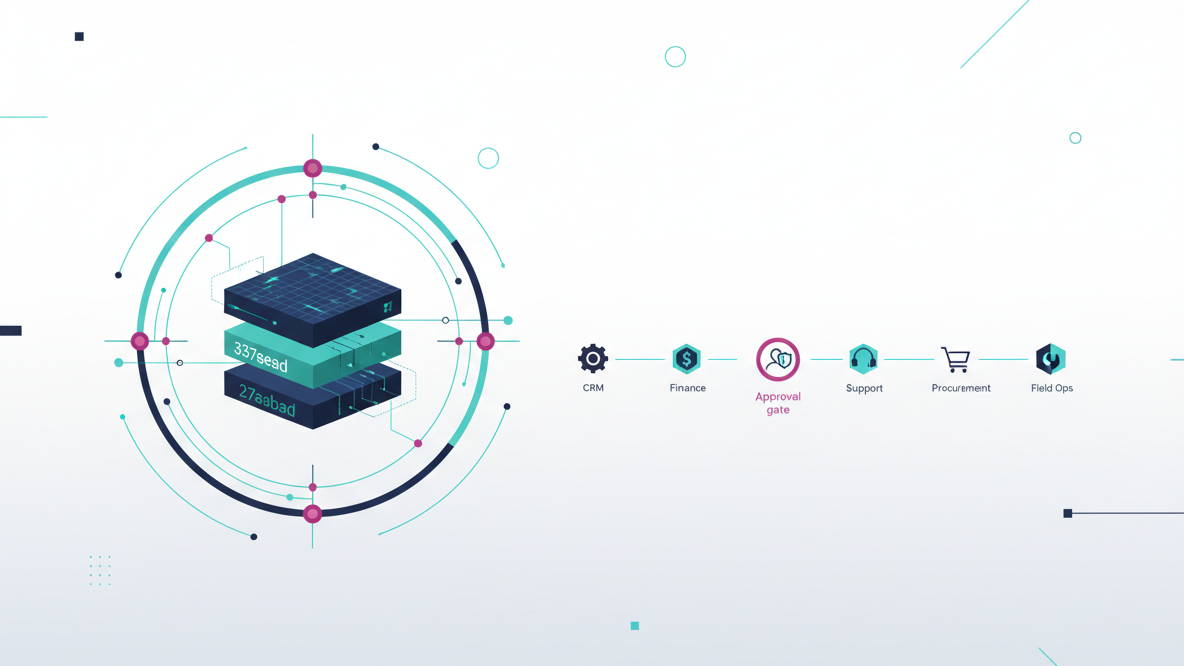
- Workflow engines that turn signals into tasks and decisions
- Dashboards designed for roles (not generic reporting)Role-based access control (RBAC) and policy enforcement
- Alerts, thresholds, and escalation rules
- Approval flows and exception handling
- Audit trails and compliance-ready logging
- Integrations with ERP, CRM, payment, warehouse, and customer-support systems
This is not “just integration.” It’s productization: turning data capabilities into usable, governed enterprise features.
Recommendations that actually change outcomes
For an online retailer, recommendations shouldn’t be isolated analytics outputs. They should appear in the exact places where teams act:
- Product discovery: personalized ranking, bundles, and search relevance
- Marketing automation: next-best-offer, suppression rules, churn prevention
- Customer-service consoles: context-aware suggestions, sentiment flags, retention playbooks
- Replenishment planning: demand forecasts, anomaly detection, supplier risk
- Executive reporting: performance narratives tied to operational levers
When recommendations are embedded into workflows, they become measurable actions—A/B tested, monitored, and improved.
Social-media intent: not “vanity metrics,” but behavioral signals
Social media can be treated as a noisy but valuable layer of intent. When integrated alongside website behavior, it helps teams understand not only what customers bought, but what they:
- Considered
- Discussed
- Compared
- Abandoned
- Asked support about
A .NET platform can unify these signals into a single operational view—so teams don’t just react to conversions, but to pre-conversion intent.
Where Apache Pig still fits (yes, the 🐷 matters)
Apache Pig also fits into this ecosystem, particularly in legacy Hadoop environments. Using Pig Latin, teams can simplify batch ETL workflows such as loading, cleaning, filtering, joining, and aggregating large datasets before they’re consumed by the application layer.
While many modern architectures now favor Spark and cloud-native pipelines, Pig can still be relevant where mature Hadoop data estates remain in operation. In those environments, the enterprise goal is rarely “rip and replace.” It’s “stabilize, govern, and modernize safely”—and Pig can remain part of the batch backbone while the application layer evolves.
The real advantage: enterprise readiness, not just data capability
The real advantage isn’t simply “having Big Data.” It’s building custom software that makes Big Data:
- Operational: embedded into daily work
- Secure: access-controlled, policy-driven, least-privilege
- Compliant: auditable, explainable, traceable
- Scalable: designed for growth in volume, velocity, and teams
- Usable: role-specific experiences, not generic dashboards
This is where C# and .NET shine: strong engineering discipline, mature tooling, excellent API and integration ergonomics, and the ability to build robust enterprise-grade products that can evolve over time.
Closing: the bridge between raw information and world-class products
When engineered well, full-stack custom software becomes the bridge between raw information and world-class digital products—built for capacity, change management, risk management, legal accountability, and continuous customer relevance.
Big Data provides the raw material. C# and .NET provide the enterprise layer that turns it into action.