

SAP is the operating system; custom software is the execution layer
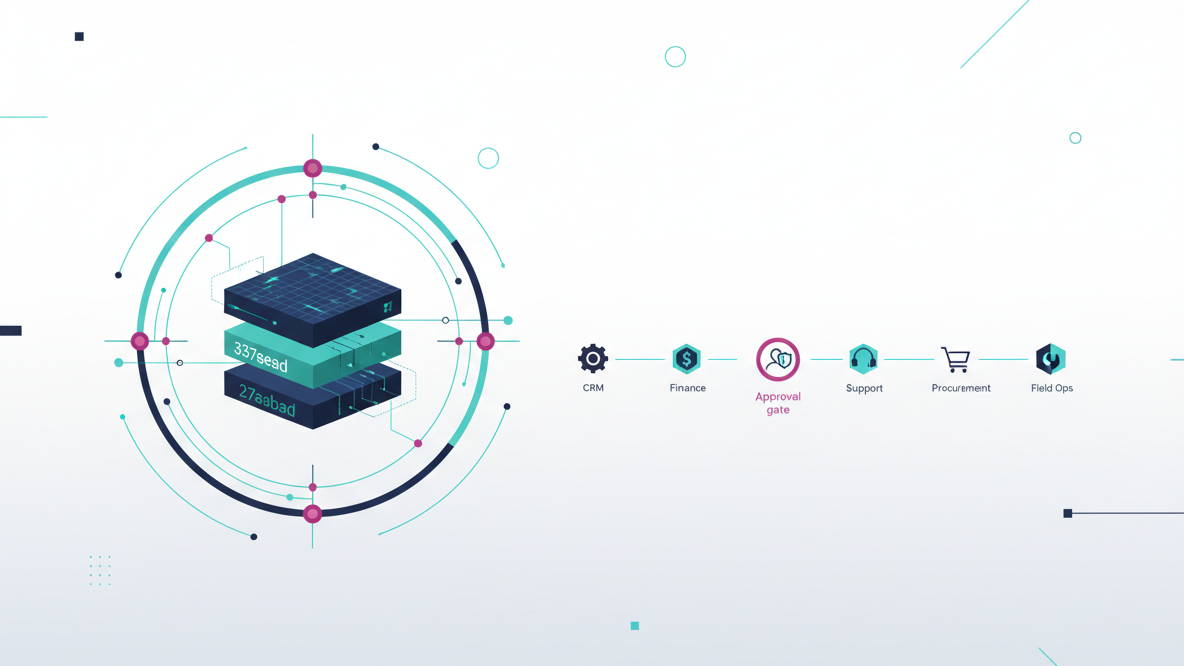
The biggest misconception about SAP is that it should be the only application people touch. In high-performing enterprises, SAP is the transactional core—an enterprise operating system that enforces consistency—while custom software becomes the execution layer that surrounds it.
Think of SAP as enterprise memory.
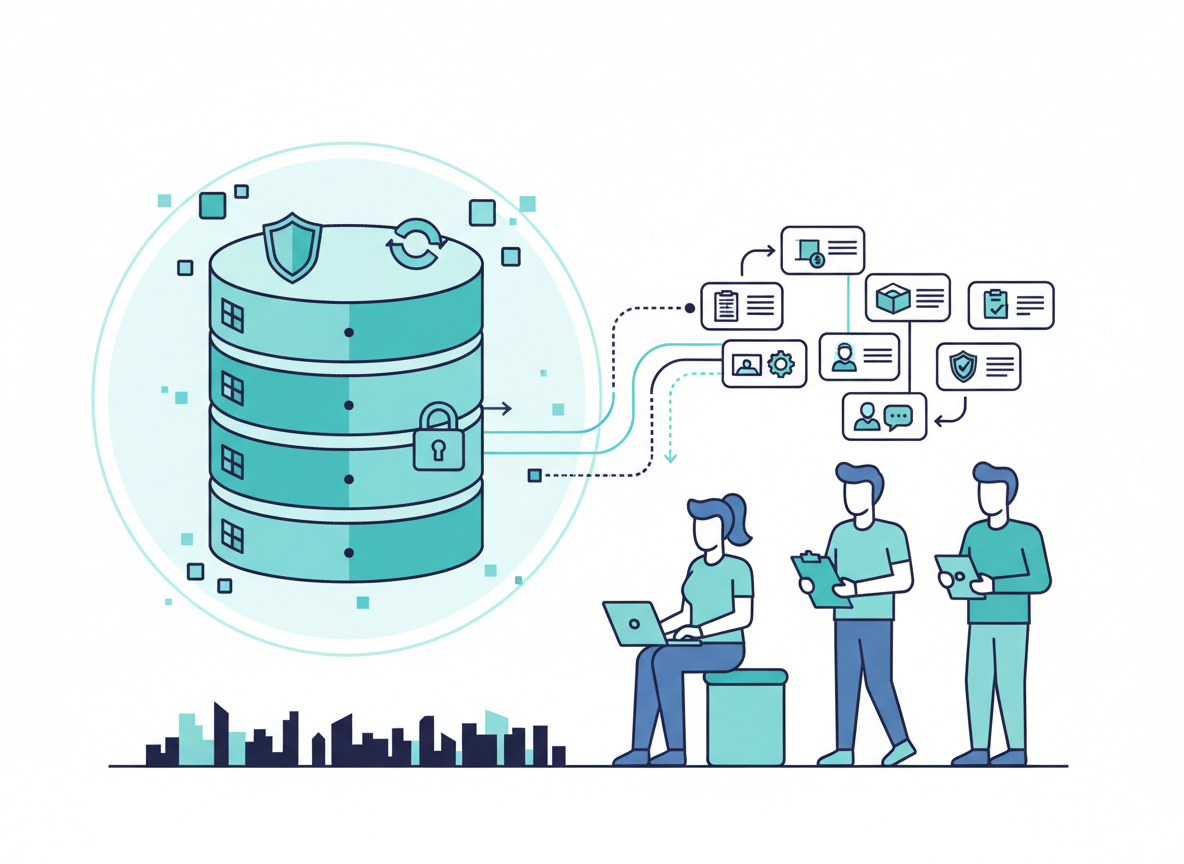
It remembers every financial posting, inventory movement, purchase order, production schedule, customer interaction, supplier transaction, payroll event, and compliance record. It is the place where “truth” is written in a governed, auditable way.
Now picture a modern product wrapped around that memory like a living interface—one that translates enterprise truth into action.
- Customer portals that turn orders into self-service journeys
- Supplier ecosystems that turn procurement into collaboration
- Distributor platforms that turn inventory into availability promises
- Mobile workforce apps that turn work orders into field execution
- Factory dashboards that turn production signals into real-time decisions
- Executive command centres that turn KPIs into interventions
- AI assistants that turn enterprise data into guided workflows
- Partner integrations that turn your company into a connected network
None of these replace SAP. They amplify it.
Why “wrapping” beats “modifying” at enterprise scale

Enterprises often learn the hard way that heavy SAP customization is a tax on speed.
Every deep modification increases:
- Upgrade friction
- Testing scope
- Regression risk
- Dependency chains
- Time-to-change
Wrapping SAP with custom software flips the model.
SAP stays stable and governed. Custom software moves fast.
The result is a system that can scale globally without constantly reopening the core.
The architecture: a bi-directional nervous system around a stable core
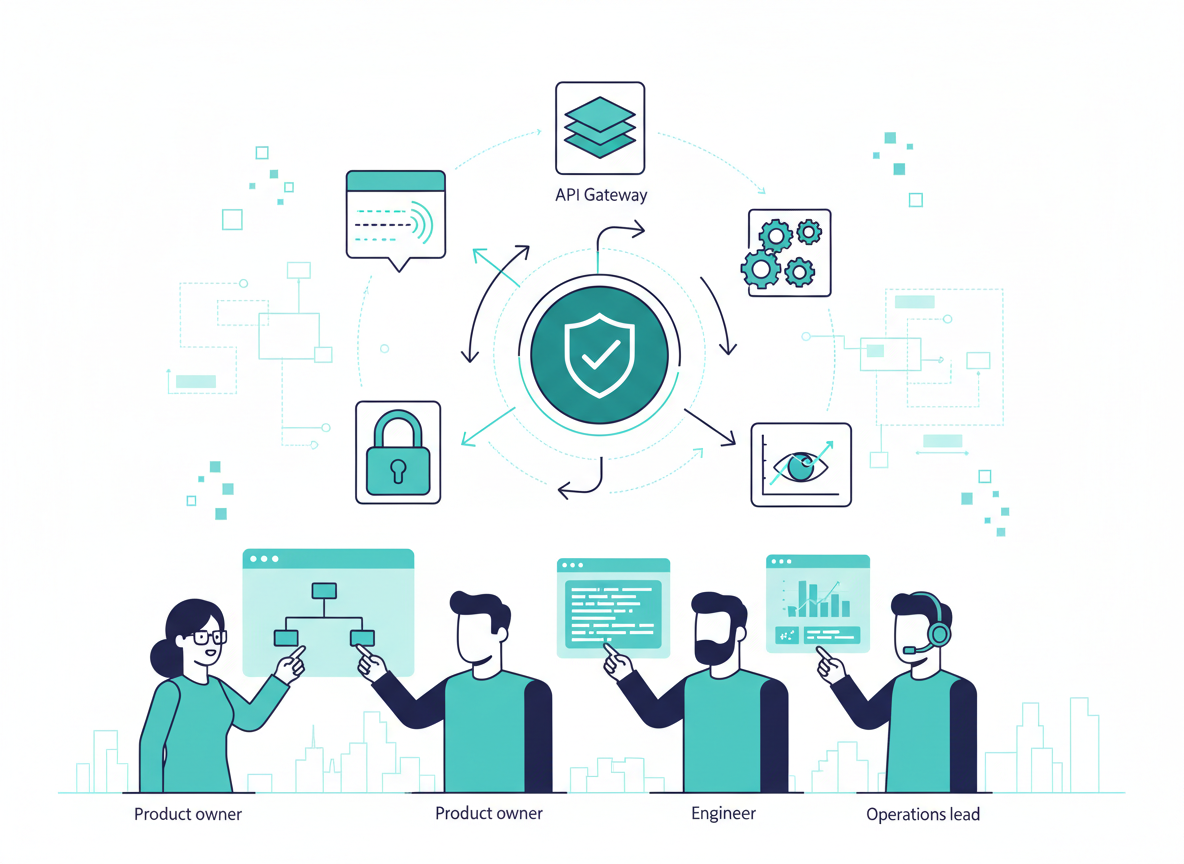
A modern SAP-centric enterprise architecture behaves like a body.
- SAP is the heart: it pumps transactions with integrity.
- Custom software is the muscle: it executes work at the edges.
- Integration is the nervous system: it carries signals, events, and commands.
The “wrap” is built using:
- APIs to consume and expose SAP services
- Event-driven architecture to react to changes instantly
- Middleware/integration services to orchestrate flows across modules
- Identity and access layers to enforce role-based governance
- Observability to see latency, failures, and throughput in real time
The key nuance: you don’t just connect to SAP. You compose experiences across SAP modules.
A single user action in a portal might touch multiple modules:
- Sales order creation
- Credit check
- Inventory availability
- Delivery scheduling
- Pricing conditions
- Invoice generation
- Customer service case creation
The user experiences one flow. SAP experiences many governed postings.
How custom software scales capacity: it absorbs complexity at the edge

Enterprise scale is rarely blocked by SAP’s ability to store transactions. It’s blocked by the organization’s ability to execute.
Custom software increases capacity by:
- Reducing manual steps
- Eliminating swivel-chair work between screens
- Preventing errors before they hit the ledger
- Automating approvals and exceptions
- Enabling parallel work across regions and roles
Graphically: SAP is the vault. Custom software is the conveyor system that moves value into and out of the vault—fast, safely, and at volume.
Wrapping around SAP modules: what “execution layer” really means

Below is the nuance most teams miss: wrapping SAP is not one integration. It’s a set of purpose-built surfaces that align to each SAP domain.
SAP S/4HANA (core operations): the unified data model becomes your backbone
S/4HANA orchestrates Finance, Manufacturing, Procurement, Inventory, Sales, Asset Management, and Supply Chain from a unified model.
Custom software around S/4HANA typically delivers:
- Role-based workbenches (AP clerks, planners, plant managers)
- Guided processes (step-by-step flows with validation)
- Exception handling (only surface what needs attention)
- Country-specific experiences (tax, language, compliance)
At scale, the execution layer becomes a “global template” with local adaptability.
SAP HANA (in-memory engine): real-time becomes operational, not just analytical
HANA’s in-memory computing can process massive transactional datasets with near real-time analytics.
The nuance: real-time analytics is only valuable when it changes behavior.
Custom software turns HANA speed into:
- Live capacity dashboards
- Predictive alerts (stockouts, late shipments, cash risk)
- What-if simulations embedded in workflows
- Real-time SLA monitoring for customer commitments
Instead of waiting for reports, teams operate inside a continuously updating picture.
SAP Customer Cloud (C4C): customer engagement that writes back to the core
Customer Cloud extends sales, service, marketing, and commerce while synchronizing interactions back into the enterprise.
Custom software around this domain often includes:
- Customer self-service portals (orders, invoices, returns)
- Omnichannel service experiences (chat, email, tickets)
- Partner/customer-specific pricing and entitlements
- Guided selling tools that reduce sales cycle time
The nuance is governance: every “nice” customer experience must still land as clean master data and clean postings.
SAP SuccessFactors: workforce execution at enterprise velocity
SuccessFactors manages the employee lifecycle from recruitment to workforce planning.
Custom software wraps SuccessFactors to:
- Build manager portals for approvals and workforce actions
- Create mobile-first HR workflows (onboarding, time, requests)
- Connect skills and staffing to project delivery
- Integrate workforce planning with operational demand
At scale, workforce capacity is not headcount—it’s deployable capability. The execution layer makes that capability visible and actionable.
SAP Ariba: procurement as a living supplier ecosystem
Ariba digitizes supplier collaboration across global networks.
Custom software around Ariba typically enables:
- Supplier onboarding journeys
- Compliance and certification tracking
- Contract visibility and renewal workflows
- Supplier performance dashboards and dispute resolution
The nuance: procurement scale is not just buying more—it’s coordinating thousands of suppliers without chaos.
SAP IBP: planning that adapts continuously
IBP optimizes demand forecasting, inventory positioning, production planning, and resilience.
Custom software makes IBP operational by:
- Translating plans into executable tasks
- Surfacing exceptions (only what deviates)
- Coordinating cross-functional decisions (sales, supply, finance)
- Creating “control tower” views for global planning
At scale, planning is not a monthly ritual—it’s a continuous loop.
Integration patterns that keep the core untouched
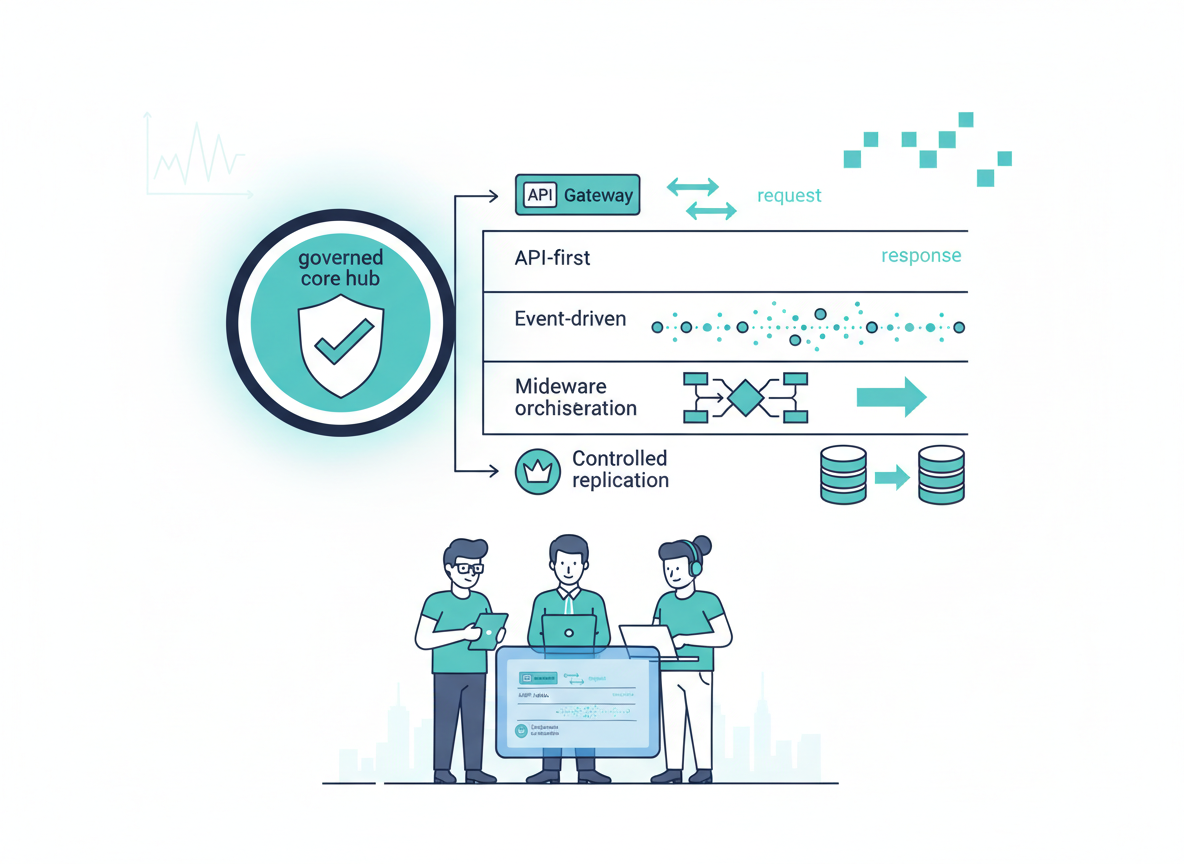
Wrapping SAP successfully requires choosing the right integration patterns.
- API-first for synchronous needs (create order, check availability)
- Events for reactive flows (shipment posted, invoice created)
- Middleware orchestration for multi-step processes (order-to-cash)
- Data replication only when needed, with clear ownership of truth
The nuance: you design for failure.
Enterprise scale means:
- retries
- idempotency
- dead-letter queues
- reconciliation jobs
- audit trails
Because when you process millions of events, “rare” becomes “daily.”
Excel as the human reasoning surface (without breaking governance)
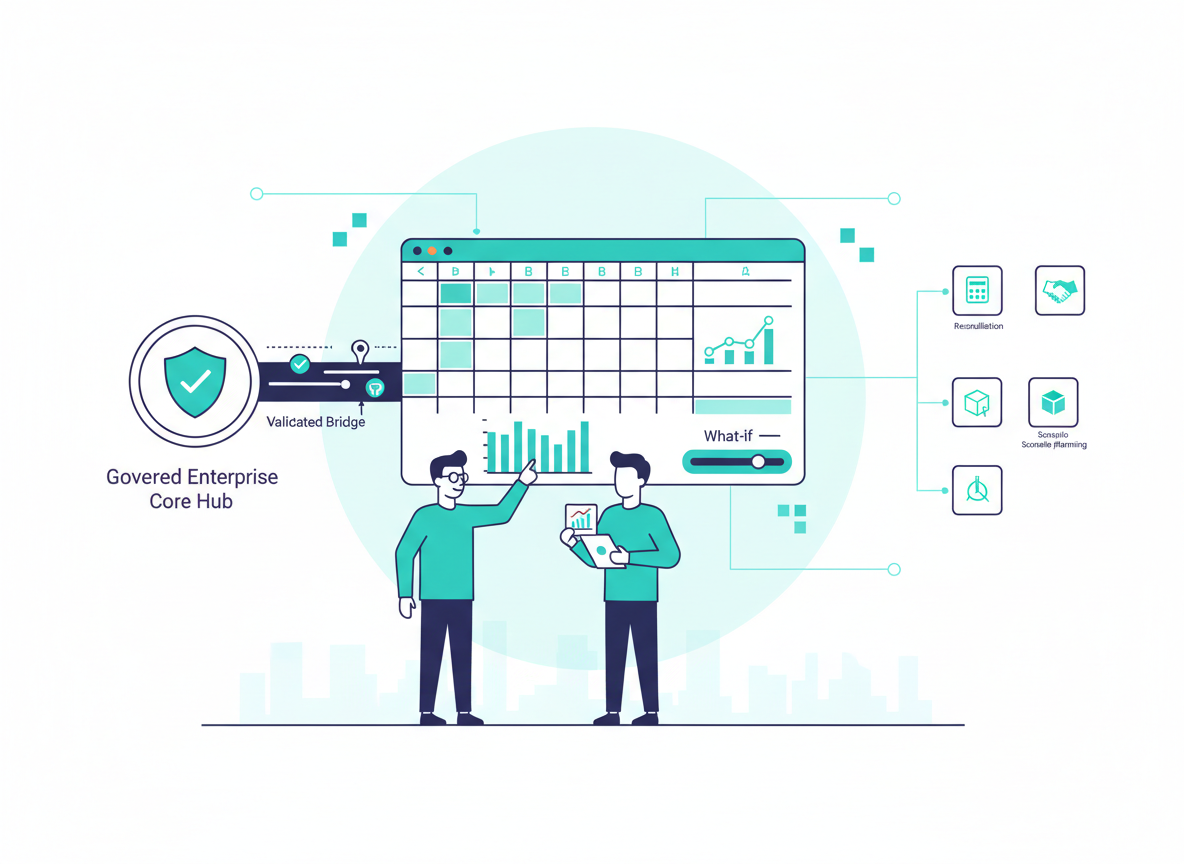
Excel doesn’t disappear in enterprise transformation. It becomes more powerful when it’s treated as a reasoning layer—not the system of record.
- Finance downloads reports for reconciliation
- Procurement performs supplier analysis
- Operations runs what-if simulations
- Leadership models growth scenarios
The key nuance is controlled export/import:
- Excel is where humans explore
- SAP is where truth is posted
- Custom software is the bridge that validates, guides, and writes back safely
In a well-designed ecosystem, Excel is a microscope—not a shadow ERP.
Experience is the multiplier: adoption is a scaling constraint
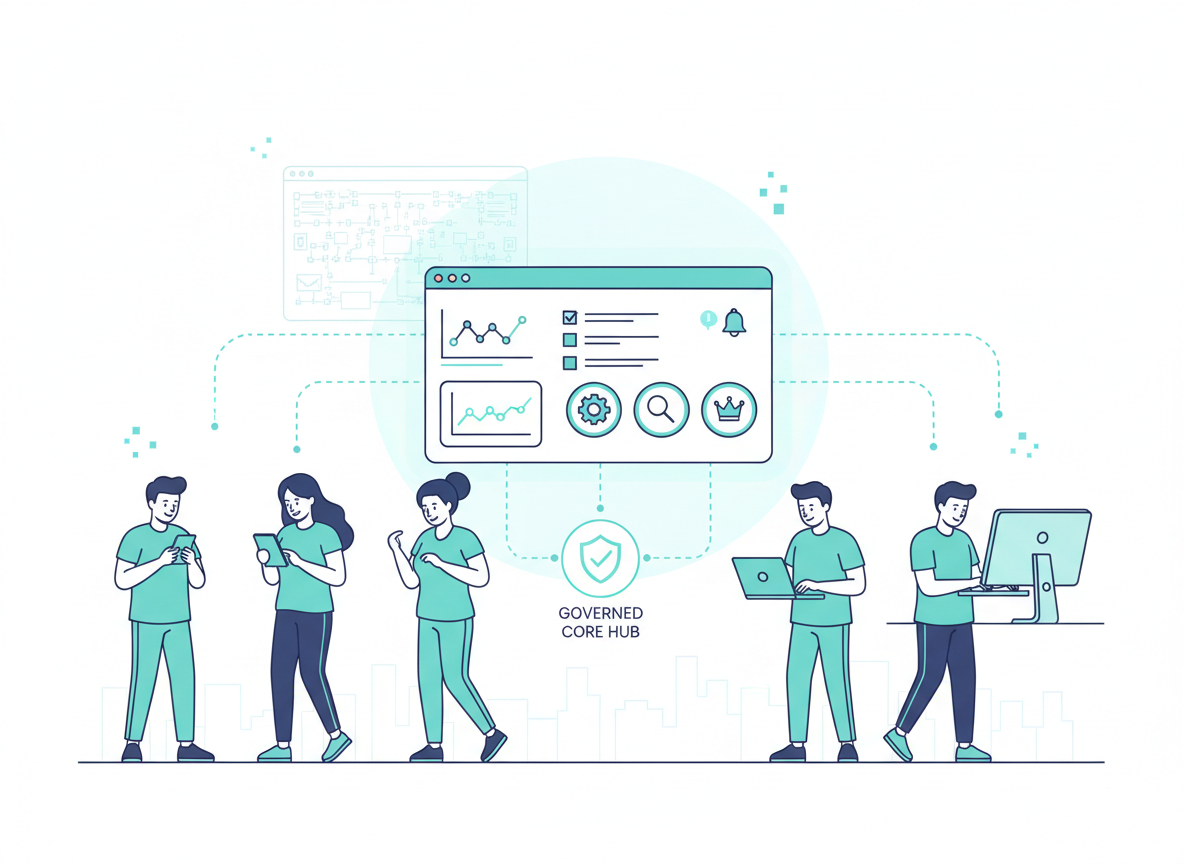
Traditional SAP interfaces prioritize completeness over engagement. That’s not a flaw—it’s a design tradeoff.
Custom software introduces:
- Intuitive UX and responsive web experiences
- Mobile-first workflows for frontline teams
- Contextual dashboards that reduce cognitive load
- Visual process maps that make flow visible
- Notifications and task queues that drive action
- Role-based experiences that hide irrelevant complexity
The graphic reality: adoption is capacity.
If users avoid the system, your “enterprise platform” becomes a museum. The execution layer turns it into a factory.
What global scale looks like in practice
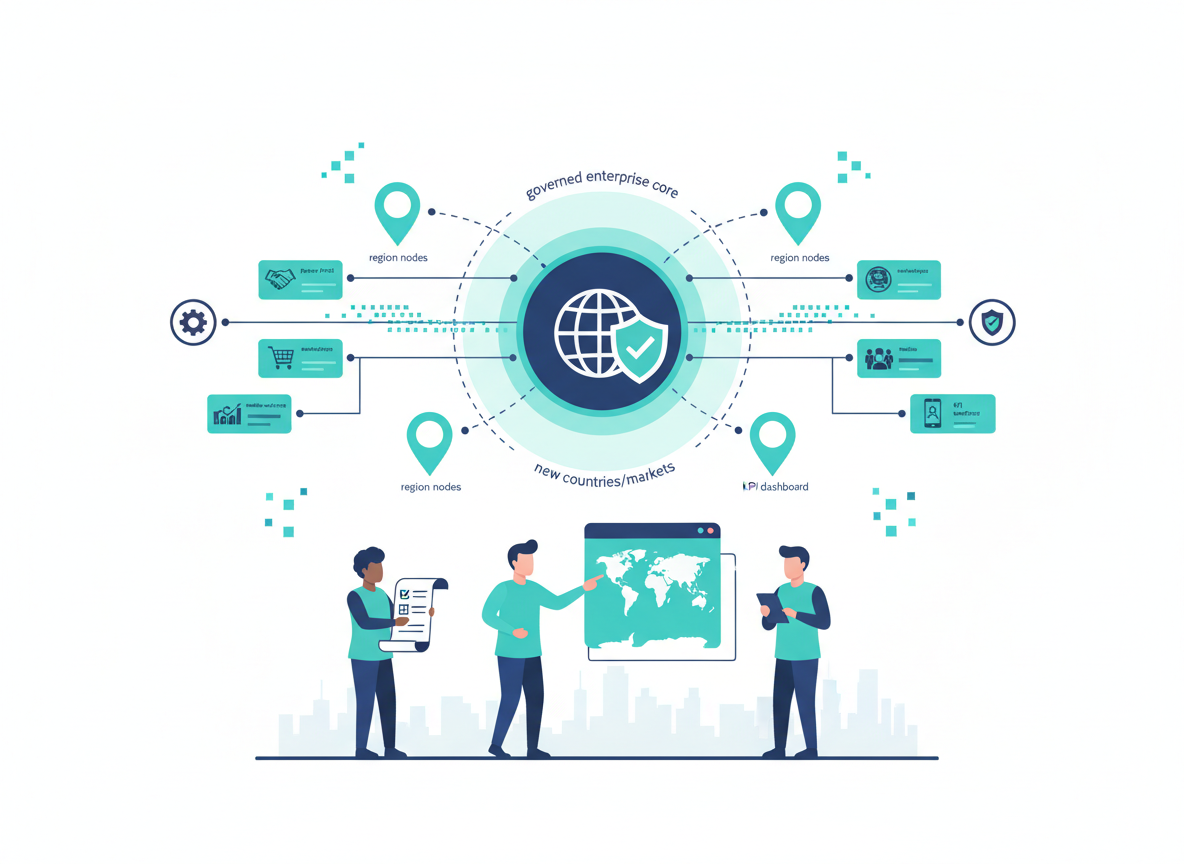
When custom software wraps SAP correctly, enterprises gain a repeatable pattern for growth:
- Launch new countries without rewriting the core
- Add new channels (partners, marketplaces, portals) without destabilizing finance
- Absorb demand spikes with automation and exception handling
- Process higher transaction volumes with event-driven flows
- Innovate continuously while SAP remains governed and upgradeable
SAP safeguards consistency. Custom software accelerates execution. Excel empowers analytical thinking.
Together, they enable organizations to expand into new markets, absorb exponentially growing demand, process millions of transactions, and evolve continuously—without rebuilding the foundation beneath them.
A final nuance: build products, not projects
The execution layer should be treated like a product:
- clear ownership
- roadmap
- telemetry
- continuous improvement
- user research
That is how “wrapping SAP” becomes a long-term scaling advantage instead of a one-time integration effort.