

Tribology is the study of friction, wear, lubrication, and the design of bearings—the science of interacting surfaces in relative motion. In heavy industry, tribology is the difference between a machine that runs for years and one that grinds itself into failure. In enterprise software, the same forces exist—just translated into human workflows, systems, and change.
Custom software feedback loops behave like tribology at play inside an organisation: users and systems “rub” against each other every day, generating friction; processes degrade under load (wear); and the right engineering practices act as lubrication and bearings that keep the organisation moving smoothly while it evolves.
The interacting surfaces: where enterprise software actually lives
In tribology, surfaces are never perfectly smooth. Under a microscope, they are jagged landscapes. When they move, micro-collisions happen constantly.
Enterprise software has the same reality. The “surfaces” are:
- People and workflows (approvals, handoffs, exception handling)
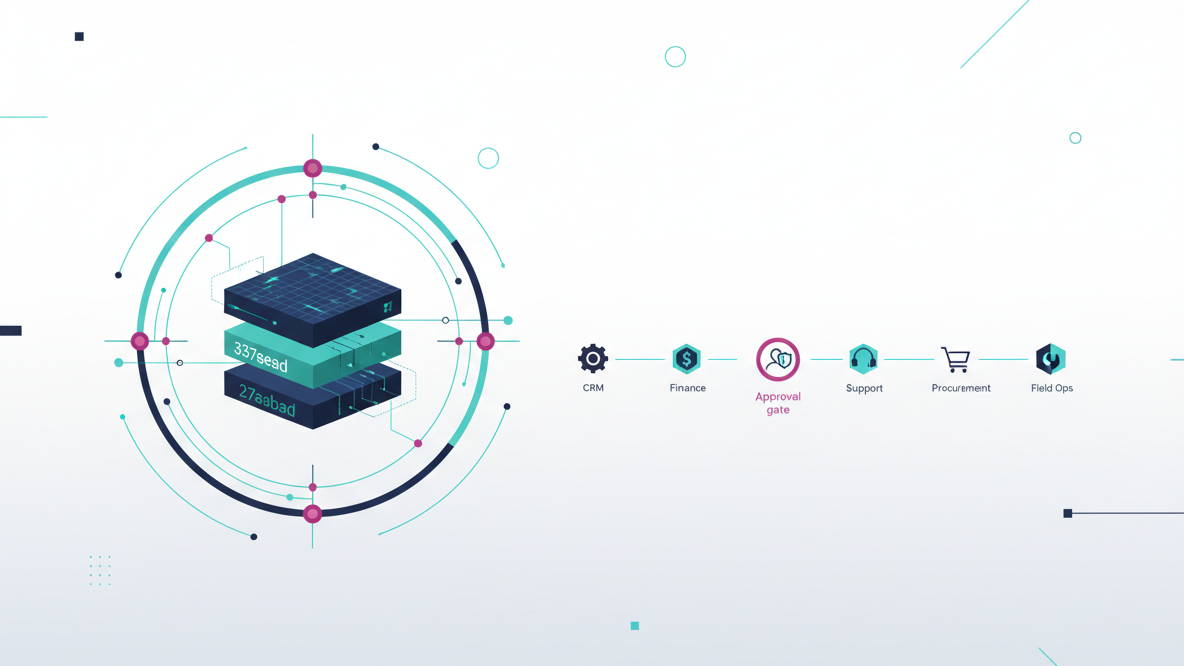
- Systems and integrations (ERP, CRM, identity, billing, data pipelines)
- Policies and constraints (security, compliance, auditability)
- Operational load (peak usage, scale, latency, incident response)
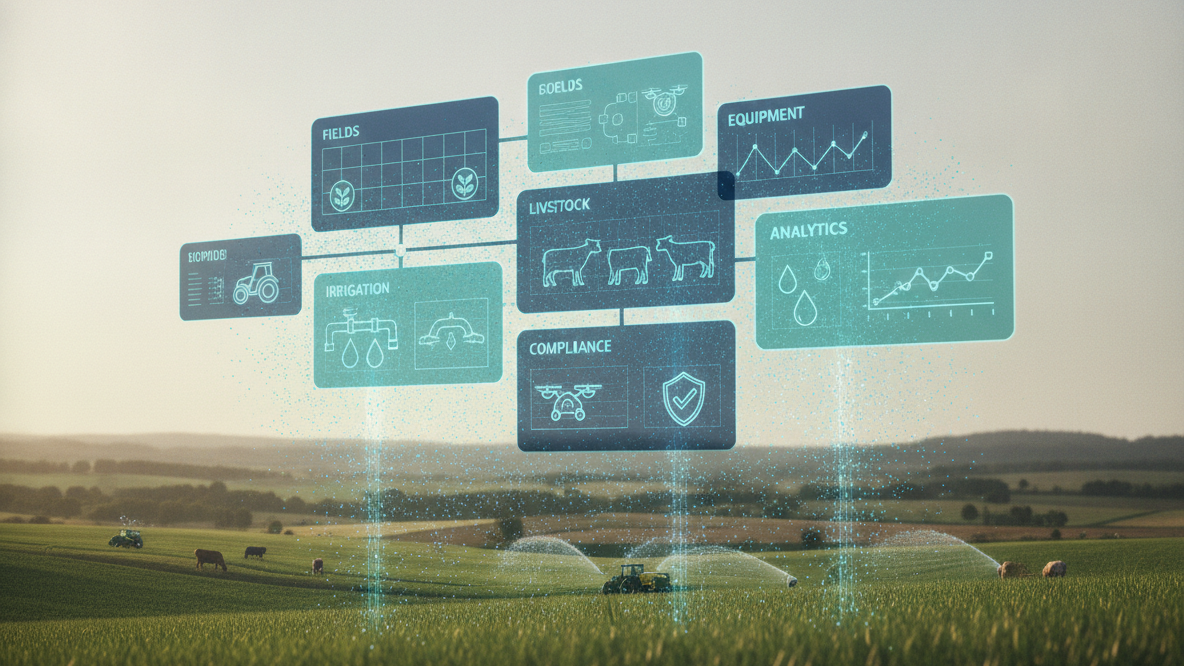
When custom software is engineered around an organisation’s operational DNA, it doesn’t eliminate motion—it enables it. The product becomes engrained in the enterprise workflow, and that is exactly when tribology starts to matter: continuous motion reveals continuous friction.
Friction: the hidden tax of transformation
In mechanical systems, friction converts useful energy into heat. In enterprises, friction converts useful intent into delays, workarounds, and fatigue.
Software friction shows up as:
- Too many clicks, approvals, or context switches
- Confusing UI patterns that force training instead of intuition
- Integration gaps that create manual reconciliation
- Slow release cycles that make teams “wait for IT”
- Unreliable systems that erode trust (“don’t touch it, it breaks”)
Off-the-shelf tools often increase friction because they force the organisation to adapt to the software’s assumptions. Custom software can reduce friction because it is shaped around the organisation’s reality—but only if it is treated as a living system.
That’s where the feedback loop becomes the tribology discipline of enterprise software.
Wear: how software and workflows degrade over time
Wear is not a sudden failure. It is gradual degradation: surfaces roughen, tolerances shift, and performance drops.
In enterprise software, “wear” looks like:
- Process drift: teams change how they work, but the system stays frozen
- Policy drift: regulations evolve, but business rules lag behind
- Data wear: definitions diverge (“customer,” “active,” “qualified”) across teams
- Integration wear: APIs change, dependencies age, and brittle connectors break
- Operational wear: incidents accumulate, and reliability becomes a constant tax
The key insight from tribology is that wear is expected when there is motion. The question is not whether wear happens—it’s whether you have the discipline to detect it early and correct it continuously.
Lubrication: the engineering practices that keep motion efficient
Lubrication reduces friction, carries away heat, and prevents direct surface damage. In enterprise software, “lubrication” is not a single tool—it is a set of practices that reduce the cost of change.
This is where DevOps Engineers establish the resilient engineering backbone:
- Automated CI/CD pipelines that make releases repeatable
- Cloud-native infrastructure that scales without heroics
- Observability (logs, metrics, traces) that turns unknowns into signals
- Security and compliance controls built into delivery, not bolted on later
- Reliability practices that prevent incidents from becoming normal
DevOps lubrication is about making change safe. When change is safe, the organisation can iterate. When iteration is possible, feedback becomes actionable.
Bearings: the architecture that absorbs load and enables rotation
Bearings are designed interfaces that allow motion with minimal friction and controlled wear. They are the difference between metal grinding on metal and a system that rotates smoothly under load.
In enterprise software, “bearings” are:
- Clear module boundaries and APIs
- Stable data contracts and integration patterns
- Feature flags and progressive delivery
- Multi-tenant or multi-client patterns that allow reuse without rigidity
- Platform capabilities that support new workflows without rewrites
Custom full-stack software provides the baseline for these bearings because it can be designed around the enterprise’s real load paths: approvals, integrations, reporting, and operational constraints.
The feedback loop: tribology as a continuous discipline
Tribology is not a one-time design activity. It is continuous measurement and adjustment: monitoring friction, watching wear patterns, changing lubricants, redesigning bearings.
Custom software becomes strategically valuable when it creates the same kind of loop:
- Deployment creates real motion (users, processes, integrations)
- Motion reveals friction and wear (bottlenecks, errors, workarounds)
- Signals are captured (observability + user feedback + operational metrics)
- Engineering responds quickly (safe releases, controlled change)
- The system becomes smoother (higher adoption, faster throughput, better outcomes)
This is why digital transformation is no longer about deploying software. It is about creating a continuous feedback loop where technology, people, operations, and customer outcomes evolve together.
DevOps + FDEs: two roles, one tribology system
A tribology program needs both the lab and the field.
- The lab designs materials, tests lubricants, and builds reliable components.
- The field observes real wear patterns and adapts to real operating conditions.
In enterprise software, DevOps and Forward Deployment Engineers (FDEs) are that paired system.
DevOps Engineers: the controlled environment
DevOps creates the conditions for safe motion:
- Release pipelines that reduce deployment risk
- Infrastructure that absorbs scale spikes
- Monitoring that detects anomalies early
- Incident response that turns failures into learning
This is the “lubrication and bearing design” layer: it lowers the friction of shipping improvements.
Forward Deployment Engineers (FDEs): the real operating environment
FDEs extend engineering excellence into the customer’s operational context. They work alongside stakeholders to:
- Configure and fine-tune modules to match evolving objectives
- Integrate with existing systems and constraints
- Translate operational reality into product learning
- Identify friction points that users won’t report formally
- Validate whether a change actually improves outcomes
FDEs are the tribologists on the factory floor: they see where the system heats up, where wear accelerates, and where tolerances are failing.
Why custom software amplifies the loop
Off-the-shelf software can collect feedback, but it often cannot act on it quickly or precisely because the organisation is constrained by someone else’s roadmap and assumptions.
Custom software can:
- Encode unique workflows and approval hierarchies
- Treat integrations as first-class capabilities, not afterthoughts
- Evolve business rules without waiting for vendor cycles
- Turn “exceptions” into product features instead of manual work
That is how a product becomes engrained in the enterprise workflow—and why the feedback loop matters even more over time. The deeper the software is embedded, the more motion it experiences, and the more tribology determines whether it becomes a competitive advantage or a source of drag.
The virtuous cycle: transformation that compounds
When mature engineering disciplines work in harmony, you get a virtuous cycle:
- Operational excellence accelerates deployments
- Deployments generate real-world insights
- Insights inform enhancements across functional modules
- Enhancements strengthen the core platform for future implementations
This is compounding transformation: each iteration reduces friction, slows wear, and improves the “bearing surfaces” between teams, systems, and outcomes.
What this means for enterprise leaders
If you want software to be a living platform—not a static asset—treat it like a tribology problem:
- Measure friction (cycle time, adoption, error rates, rework)
- Detect wear (incident trends, integration failures, process drift)
- Invest in lubrication (DevOps automation, observability, security-by-design)
- Design bearings (modular architecture, stable contracts, progressive delivery)
- Keep a field-to-lab loop (FDE insights feeding product and platform evolution)
Deventure’s point of view
At Deventure.co, we believe custom software products become significantly more valuable when backed by robust engineering practices and customer-centric deployment expertise. By combining scalable software delivery with forward deployment capabilities, organisations can accelerate innovation, improve adoption, elevate service excellence, and build digital ecosystems that continuously learn, adapt, and create measurable business value.
The future belongs to enterprises that treat software not as a destination, but as a living platform that evolves with every customer interaction.