

Custom software is no longer just an operational tool. In modern gated communities, it becomes the invisible nervous system that connects people, places, and services into a single, reliable experience.
When apartment ecosystems, villa communities, parking infrastructure, swimming pools, play areas, hospitality zones, security systems, CCTV surveillance, malls, hospitals, and healthcare services operate through one interoperable digital framework, the community stops behaving like a collection of separate facilities. It becomes a living, breathing ecosystem.
From fragmented services to continuous resident experiences
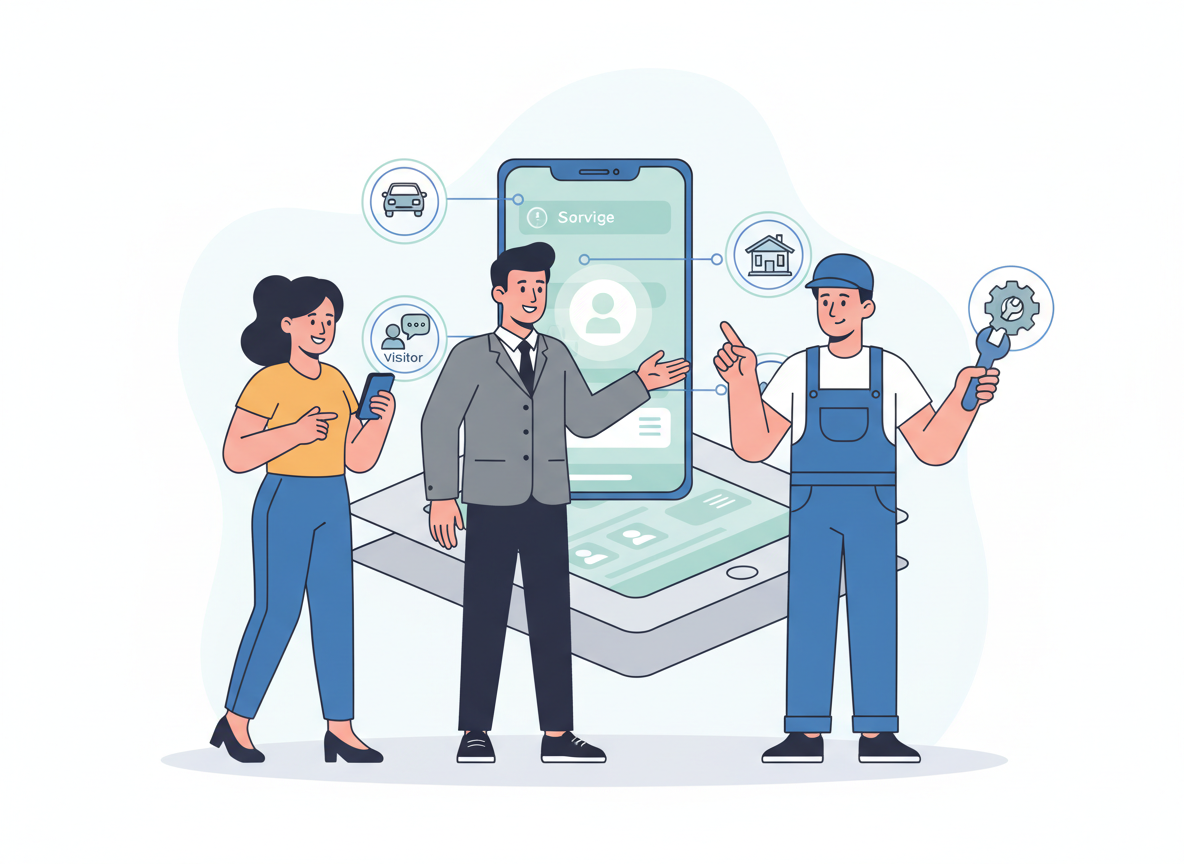
Residents don’t think in “systems.” They think in outcomes: enter smoothly, feel safe, get help fast, and enjoy the amenities without friction.
In many communities today, the experience is fragmented:
- Parking access is managed by one vendor
- Visitor entry is handled by another
- Clubhouse bookings sit in a separate app
- Maintenance requests are tracked manually
- Healthcare services are disconnected from community operations
The result is predictable: delays, duplicated data, inconsistent service, and a resident experience that feels like juggling.
Interoperability is the differentiator that changes this. When systems can exchange data and trigger actions across services, the resident journey becomes continuous:
- Entry and parking access work seamlessly
- Visitor management aligns with security protocols
- Clubhouse and facility bookings sync with access control
- Maintenance workflows connect to vendor scheduling and approvals
- Healthcare services integrate with emergency response and family notifications
Continuity is what makes a community feel “premium,” even more than square footage.
Communities as ecosystems: the rise of the Ecosystem Orchestrator
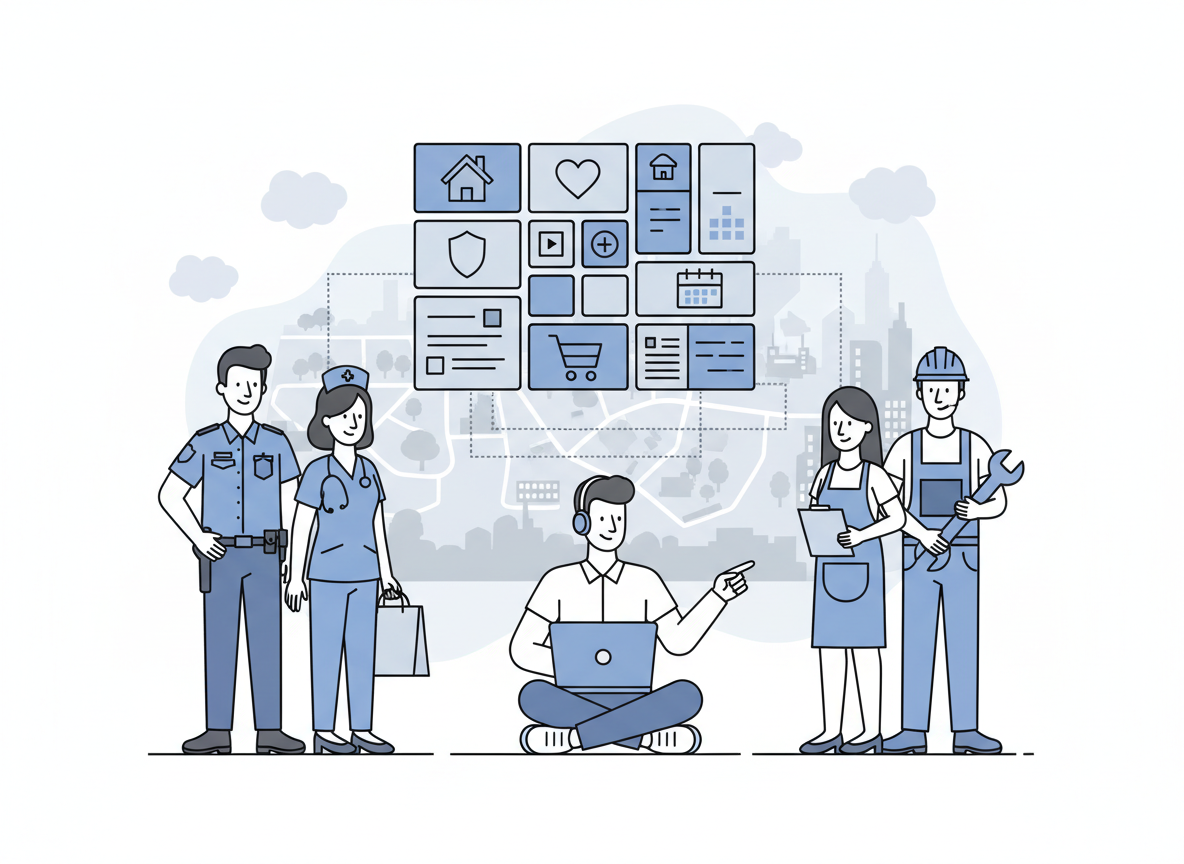
Developers and operators are increasingly expected to deliver more than buildings. They’re expected to deliver an operating model—one where wellness, security, hospitality, and commerce function together.
That’s why the role is shifting from builder to Ecosystem Orchestrator.
An orchestrated community is built on an interoperable platform that connects:
- Residential operations: access, parking, visitor flows, maintenance, billing
- Hospitality and amenities: pool access, sports facilities, play areas, concierge services
- Retail and commerce: mall services, resident offers, delivery coordination
- Healthcare: appointments, pharmacy fulfillment, emergency response
- Security: CCTV, access control, incident management, command center operations
When these layers exchange intelligence, the community becomes more resilient and more valuable.
A real-world scenario: synchronized outcomes for senior residents
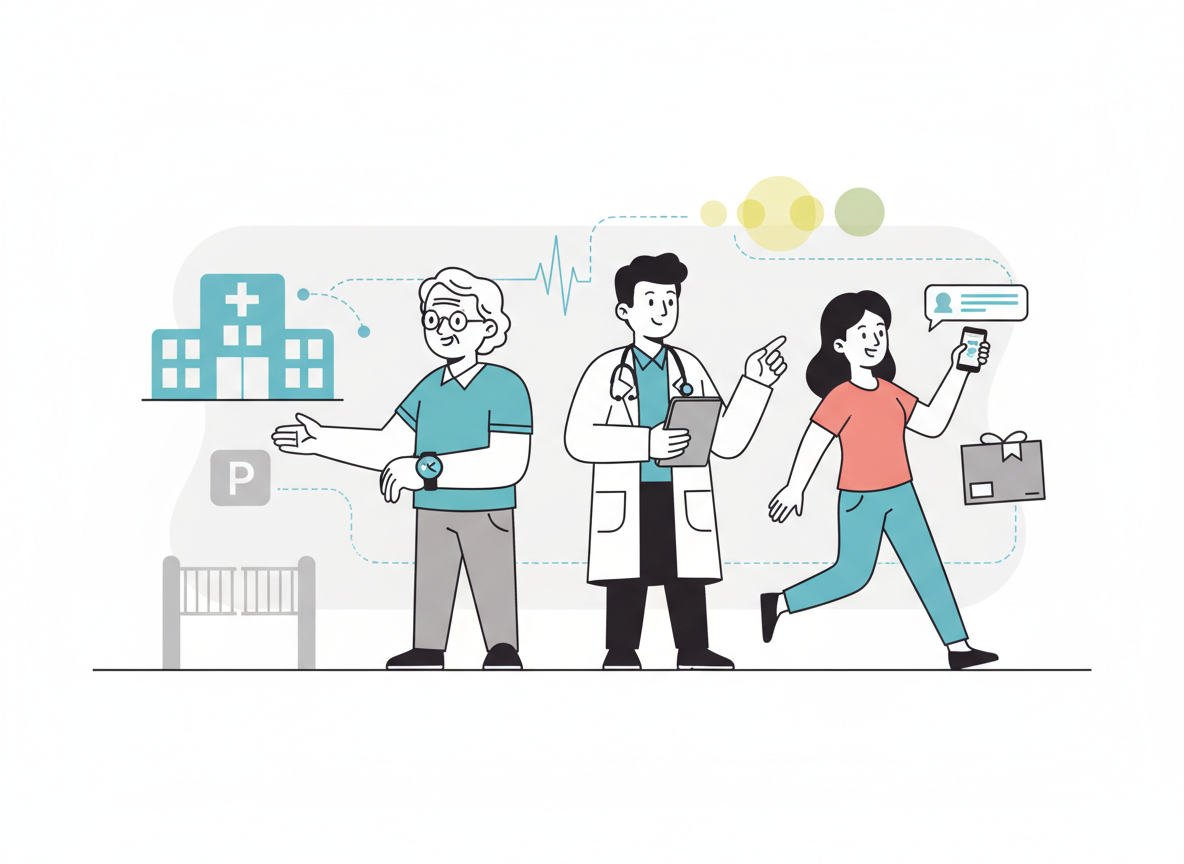
Consider a senior resident living in a gated community that includes a healthcare hub.
With orchestration in place, wearable health data can become a proactive signal rather than a passive record:
- A wearable detects abnormal vitals.
- The community healthcare provider is alerted automatically.
- A hospital appointment is reserved.
- Family members receive a notification and visitor access is pre-approved.
- Visitor parking is reserved before arrival.
- The pharmacy is triggered to prepare fulfillment.
- Security and emergency response teams receive the right context—without exposing unnecessary personal data.
This is not “futuristic.” It’s what custom software enables when systems are designed for synchronized outcomes.
Security that works as one command center
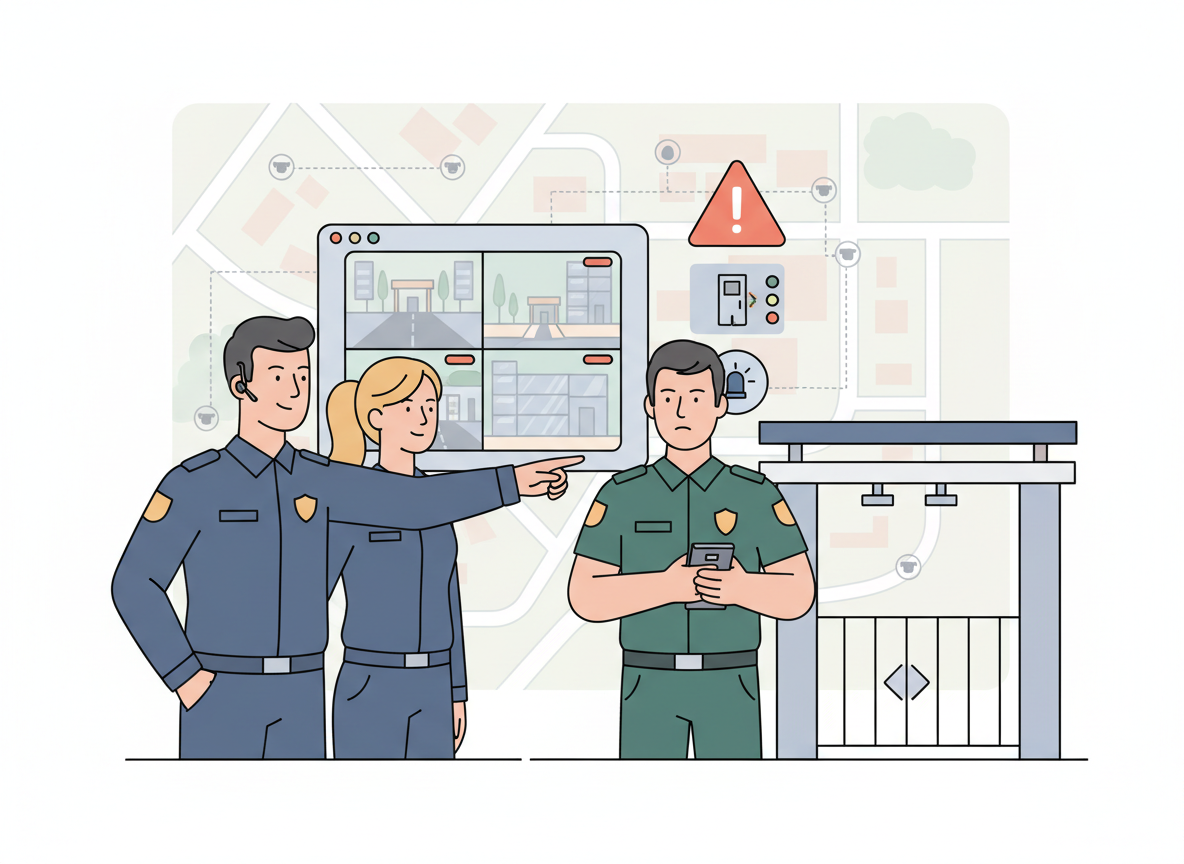
Security becomes stronger when it is unified. In many communities, CCTV, access control, visitor management, and emergency response are separate tools with separate logs and separate workflows.
Orchestration changes that by enabling a single operational view:
- CCTV events can trigger incident workflows
- Access control can be linked to resident/visitor authorization in real time
- Emergency response teams can receive verified context instantly
- Visitor management can enforce policies dynamically (time windows, zones, approvals)
The goal isn’t “more surveillance.” It’s faster response, fewer blind spots, and consistent enforcement.
Hospitality and amenities without friction
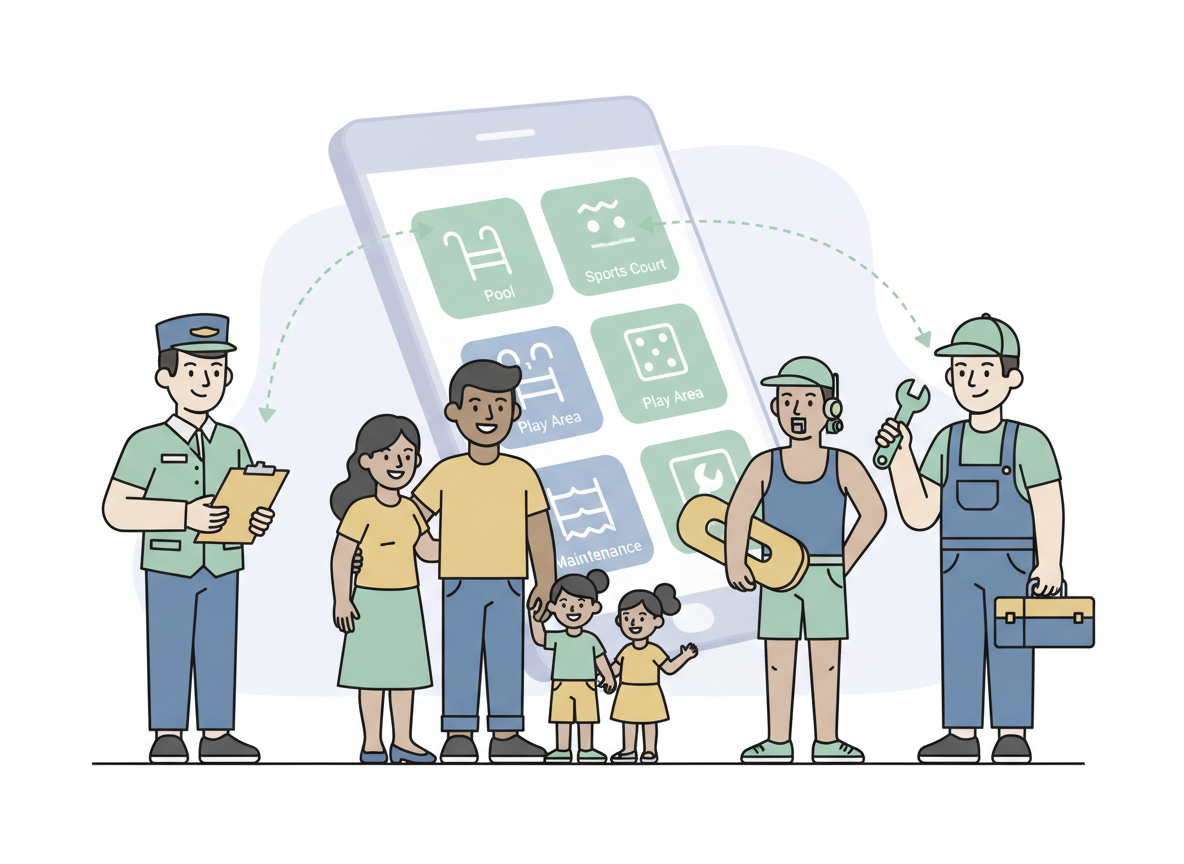
Amenities are where residents feel the difference between a basic community and a premium one.
When hospitality services are digitally aligned, the experience becomes effortless:
- Pool access tied to bookings and eligibility
- Sports facilities and play areas managed through one resident identity
- Concierge requests connected to maintenance and vendor scheduling
- Real-time occupancy and availability to reduce crowding and complaints
This reduces operational overhead while increasing resident satisfaction.
Smarter retail: personalization without chaos
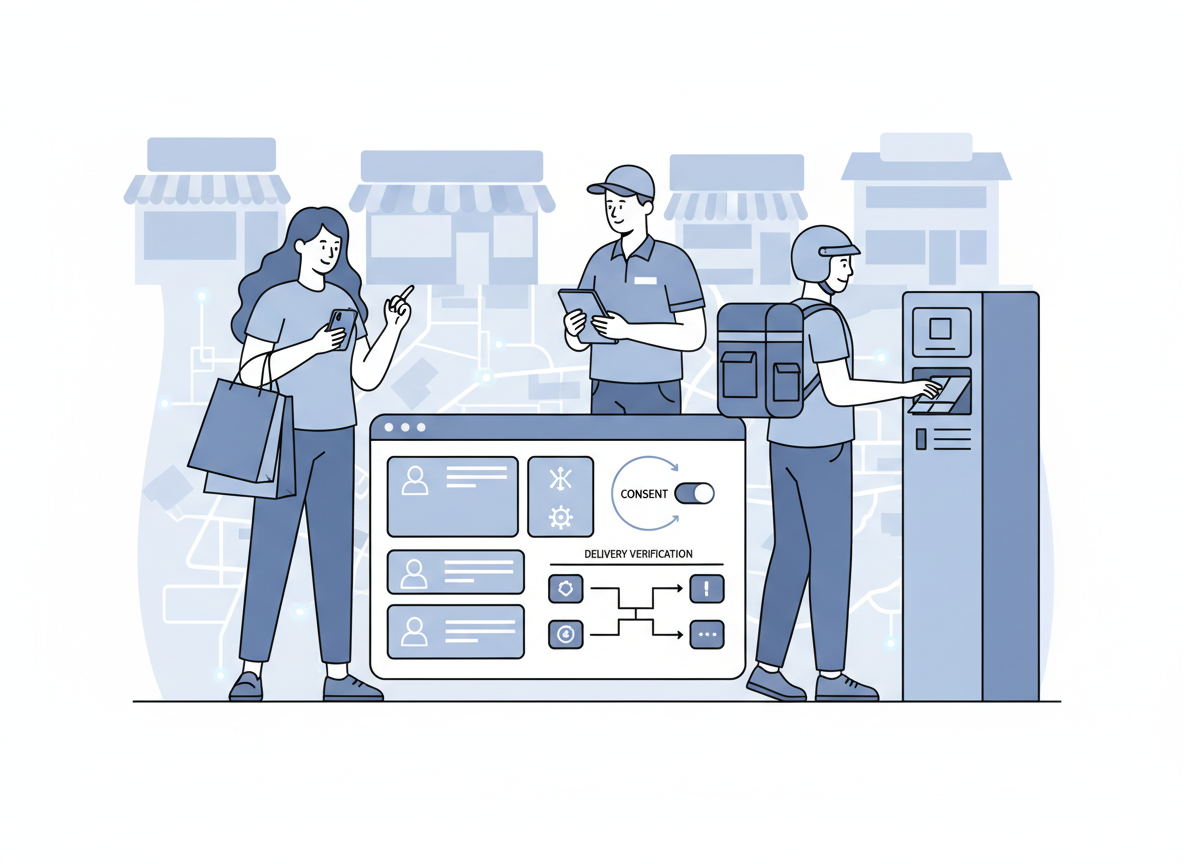
Retail zones and malls inside or near gated communities can become smarter when they understand resident behavior—but only if data is handled responsibly and transparently.
With the right consent model, communities can enable:
- Personalized offers for residents
- Better planning for peak times and events
- Seamless delivery coordination (access, drop-off points, verification)
Retail becomes part of the resident experience rather than a separate destination.
Predictive Community Management: services that respond before problems arise
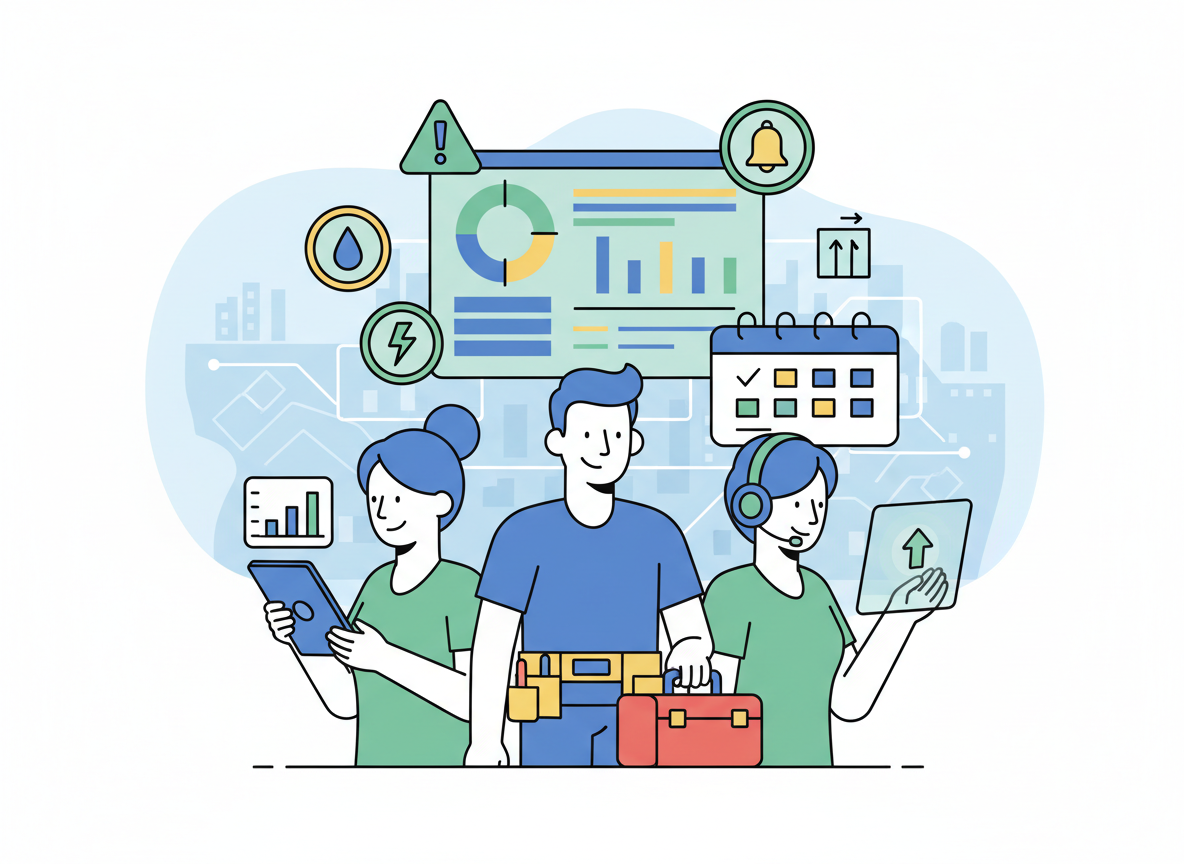
When systems are interoperable, the community can move from reactive operations to Predictive Community Management.
Examples include:
- Predicting maintenance issues from equipment usage and sensor data
- Detecting unusual access patterns and flagging potential security risks
- Forecasting amenity demand and optimizing staffing
- Proactively scheduling health check-ins for at-risk residents
The benefits compound quickly:
- Downtime reduces
- Service quality becomes consistent
- Resident satisfaction rises
- Trust increases—because the community feels reliable
Blockchain and smart contracts: adding trust layers where transparency matters
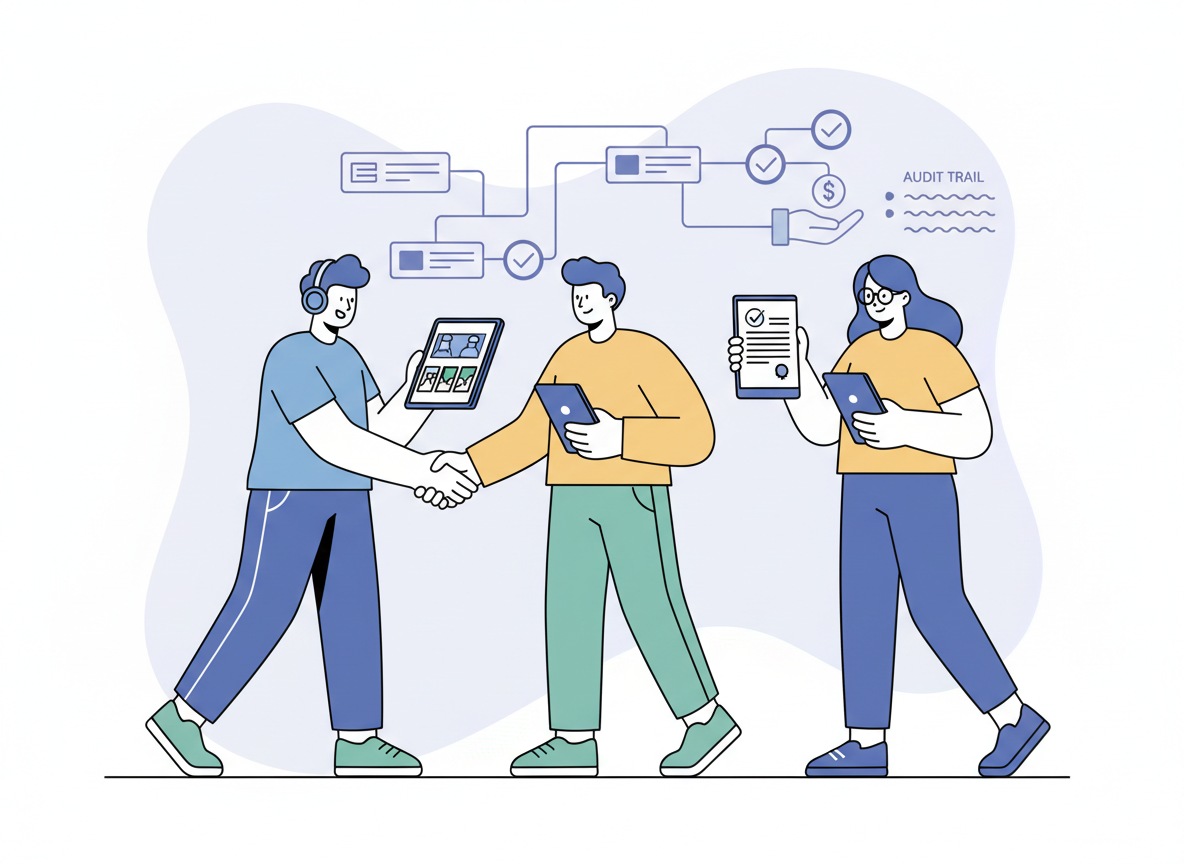
In a smaller but powerful layer, blockchain and smart contracts can strengthen orchestration—especially where disputes, audits, and permissions matter.
Potential applications include:
- Vendor payments tied to verified service completion
- Lease agreements with clear, tamper-resistant records
- Service-level commitments tracked transparently
- Facility maintenance logs with immutable traceability
- Healthcare access permissions that are auditable and controlled
The outcome is not “blockchain for the sake of it.” It’s trust layers that reduce disputes and improve accountability.
Building globally competitive cities by building smarter
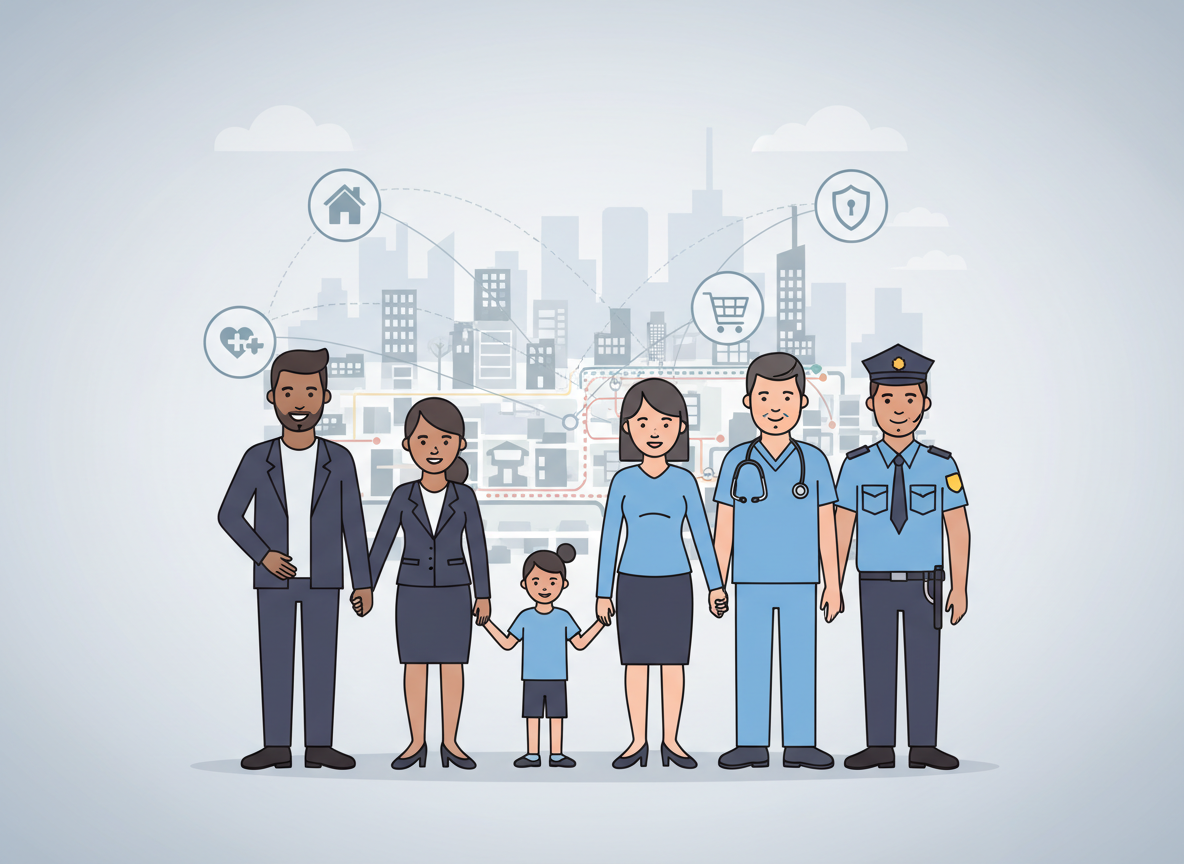
Connected urban living is not about building bigger. It’s about building smarter—where every service talks to the next, every stakeholder is aligned, and residents feel continuity instead of complexity.
The communities that win will be the ones that:
- Treat software as core infrastructure
- Design for interoperability from day one
- Balance personalization with privacy and governance
- Build operating models, not just buildings
At Deventure.co, we believe the future of real estate is not just property—it’s an orchestrated experience.